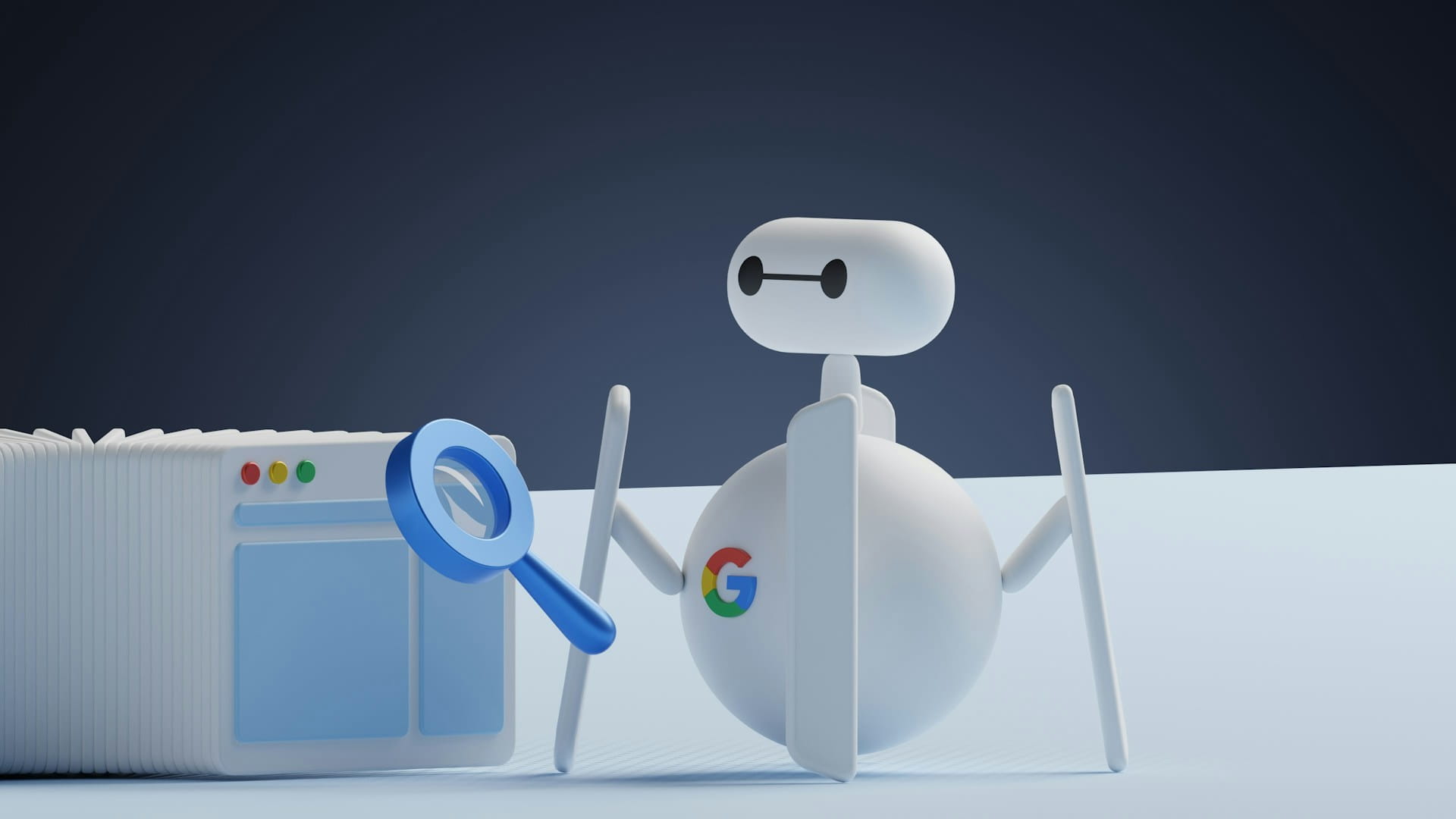
The Future of Search Is Here
Traditional search engine optimization (SEO) is no longer enough. As AI-powered search platforms like ChatGPT, Google Gemini, Claude, and Perplexity continue to reshape how users discover information online, businesses must adapt their digital strategies to remain visible.
Millions of users now ask AI assistants questions instead of typing keywords into Google. These AI systems provide direct answers, recommendations, summaries, and citations, changing the way content is found and consumed.
To succeed in this new landscape, brands need to focus on AI Search Optimization, Answer Engine Optimization (AEO), Generative Engine Optimization (GEO), and Semantic SEO.
This guide explains how to rank in AI search platforms and future-proof your digital presence.
What Is AI Search Optimization?
AI Search Optimization is the process of making your content understandable, trustworthy, and retrievable by AI-powered search engines and large language models (LLMs).
Instead of simply ranking for keywords, your content must become the best answer to user questions.
Popular AI search platforms include:
- ChatGPT Search.
- Google Gemini.
- Claude AI.
- Perplexity AI.
- Microsoft Copilot.
- Google AI Overviews.
These systems evaluate content differently than traditional search engines and prioritize authority, relevance, context, and factual accuracy.
Understanding AEO (Answer Engine Optimization)
Answer Engine Optimization (AEO) focuses on creating content that directly answers user questions.
When someone asks:
“What is Semantic SEO?”
AI systems look for concise, authoritative, and well-structured answers.
AEO Best Practices
- Use question-based headings.
- Create FAQ sections.
- Provide concise answers first.
- Use schema markup.
- Structure content clearly.
- Include definitions and examples.
Example
Instead of writing:
“Semantic SEO is an advanced SEO methodology.”
Write:
“Semantic SEO is the practice of optimizing content around topics, entities, and search intent rather than individual keywords.”
This format is easier for AI systems to extract and cite.
What Is GEO (Generative Engine Optimization)?
Generative Engine Optimization (GEO) refers to optimizing content specifically for AI-generated responses.
Unlike traditional search engines that display links, generative engines create answers using multiple sources.
GEO Strategies
- Publish original research.
- Include expert opinions.
- Create comprehensive topical coverage.
- Use clear data and statistics.
- Build strong brand authority.
- Maintain factual accuracy.
Content that demonstrates expertise and trustworthiness is significantly more likely to be referenced by AI systems.
Why Semantic SEO Matters More Than Ever
Semantic SEO helps search engines and AI models understand relationships between concepts.
For example, an article about “Digital Marketing” should naturally include related entities such as:
- SEO.
- Content Marketing.
- PPC Advertising.
- Social Media Marketing.
- Conversion Rate Optimization.
- Lead Generation.
This creates topical depth and helps AI understand context.
Benefits of Semantic SEO
- Improved topical authority.
- Better rankings in AI search.
- Enhanced Google visibility.
- Increased featured snippet opportunities.
- Higher user engagement.
How ChatGPT Selects Content
ChatGPT aims to provide accurate, helpful, and trustworthy information.
Content likely to be referenced by ChatGPT typically includes:
- High-authority sources.
- Expert-written content.
- Comprehensive topic coverage.
- Updated information.
- Clear structure.
How to Rank in ChatGPT
- Publish authoritative content.
- Use semantic keyword clusters.
- Build strong backlinks.
- Add FAQ sections.
- Demonstrate expertise.
- Maintain content freshness.
- Use structured data markup.
How to Rank in Google Gemini
Google Gemini relies heavily on Google’s search ecosystem.
To improve visibility:
Optimize for:
- Search intent.
- E-E-A-T principles.
- Structured data.
- Knowledge Graph entities.
- Featured snippets.
- Topic clusters.
Gemini favors content that demonstrates Experience, Expertise, Authoritativeness, and Trustworthiness.
How to Rank in Claude AI
Claude emphasizes safety, clarity, and factual reliability.
Claude Optimization Tips
- Use trustworthy sources.
- Avoid exaggerated claims.
- Write clearly and naturally.
- Include citations where appropriate.
- Create in-depth educational content.
Long-form guides often perform exceptionally well within Claude’s information retrieval systems.
How to Rank in Perplexity AI
Perplexity AI is citation-driven.
Unlike many AI assistants, Perplexity frequently references and links to source websites.
Perplexity SEO Best Practices
- Publish data-backed content.
- Create research-driven articles.
- Build authority backlinks.
- Improve content freshness.
- Include original insights.
- Cover topics comprehensively.
Websites with strong authority and expertise have a greater chance of being cited.
Essential AI SEO Ranking Factors
1. Topical Authority
Become the definitive source in your niche.
Create:
- Pillar pages.
- Topic clusters.
- Supporting articles.
- Industry guides.
2. Entity Optimization
Search engines increasingly understand entities rather than keywords.
Examples include:
- Brands.
- Products.
- People.
- Locations.
- Technologies.
Clearly define entities throughout your content.
3. Structured Data
Implement schema markup:
- FAQ Schema.
- Article Schema.
- Organization Schema.
- Local Business Schema.
- Product Schema.
Structured data improves machine understanding.
4. Content Freshness
Regularly update:
- Statistics.
- Case studies.
- Industry trends.
- Product information.
AI systems prefer current information.
5. Brand Authority
AI search increasingly rewards recognizable brands.
Build authority through:
- PR campaigns.
- Guest posting.
- Thought leadership.
- Industry publications.
- Expert interviews.
Best Keywords for AI Search SEO
High-volume and trending keywords include:
- AI SEO.
- SEO for ChatGPT.
- ChatGPT SEO.
- AI Search Optimization.
- Generative Engine Optimization.
- GEO SEO.
- Answer Engine Optimization.
- AEO Strategy.
- Semantic SEO.
- AI Overviews SEO.
- Perplexity SEO.
- Gemini SEO.
- Claude SEO.
- Entity SEO.
- Topical Authority.
- AI Content Optimization.
- Search Generative Experience.
- LLM Optimization.
- Future of SEO.
- AI Ranking Factors.
Common Mistakes to Avoid
Keyword Stuffing
Modern AI systems understand context. Excessive keyword repetition can hurt content quality.
Thin Content
Short, low-value content struggles to rank in AI search.
Ignoring User Intent
Focus on solving problems rather than chasing keywords.
Lack of Authority
AI models prioritize trusted sources.
Outdated Information
Regular content updates are critical.
The Future of SEO Is AI-First
Search is evolving from keyword matching to answer generation.
Businesses that embrace:
- AEO.
- GEO.
- Semantic SEO.
- Entity Optimization.
- Topical Authority.
will gain a significant competitive advantage.
The goal is no longer just ranking on Google. The goal is becoming the trusted source that AI systems choose when generating answers.
Organizations that invest in AI Search Optimization today will be better positioned to capture visibility, traffic, and leads across ChatGPT, Gemini, Claude, Perplexity, and the next generation of AI-powered search experiences.
Final Thoughts
AI search is transforming digital marketing faster than any previous search evolution. Brands like Apex Hives that focus on expertise, trust, semantic relevance, and user value will dominate the future of search.
By combining traditional SEO with AEO, GEO, and Semantic SEO strategies, businesses can increase their chances of appearing in AI-generated answers, gaining more organic visibility, qualified traffic, and long-term growth.
FAQs: SEO for AI Search Optimization
1. What is AI Search Optimization?
AI Search Optimization is the process of optimizing content so that AI-powered systems like ChatGPT, Google Gemini, Claude, and Perplexity can easily understand, retrieve, and use it as a trusted source when generating answers. It focuses on clarity, authority, structure, and semantic relevance rather than just keywords.
2. How is AEO different from traditional SEO?
Answer Engine Optimization (AEO) focuses on providing direct, clear answers to user questions so that AI systems and search engines can easily extract and display them. Traditional SEO mainly targets keyword rankings, while AEO prioritizes question-based content and concise explanations.
3. What is GEO (Generative Engine Optimization)?
Generative Engine Optimization (GEO) is the process of optimizing content to be used in AI-generated responses. Instead of just ranking links, GEO focuses on creating authoritative, data-driven, and comprehensive content that AI systems can cite when generating answers.
4. How can I rank in ChatGPT and other AI search engines?
To rank in AI search engines like ChatGPT, Gemini, and Perplexity, you should:
- Publish high-quality, authoritative content
- Use semantic keyword clusters
- Add structured data (schema markup)
- Build topical authority
- Keep content updated and factual
- Create FAQ-style and question-based content
5. Why is Semantic SEO important for AI search?
Semantic SEO helps AI systems understand the meaning and relationships between topics. Instead of focusing on single keywords, it connects related entities like concepts, brands, and subtopics, helping your content appear more relevant and authoritative in AI-generated answers.
6. Which factors help content get cited in Perplexity AI?
Perplexity AI prefers content that is:
- Factually accurate and well-researched
- Backed by data or statistics
- Regularly updated
- Written with strong authority signals
- Comprehensive and in-depth
- Supported by credible sources
7. What is the future of SEO in the age of AI search?
The future of SEO is shifting toward AI-first optimization. Instead of only ranking on Google, businesses must focus on becoming trusted sources for AI systems. Concepts like AEO, GEO, Semantic SEO, and Entity Optimization will play a key role in visibility across AI platforms.